Introduction

The journey of a travel tech startup’s MVP shows how a focused, strategic approach can turn a simple idea into a successful, investor-backed business. The startup aimed to transform how travelers plan and book custom itineraries but struggled to validate the idea and attract funding without a full-scale product.
Like many early-stage founders, they faced a common challenge: proving their concept and gaining investor confidence without building a complete product upfront. They needed something tangible—quickly—to test the market and pitch to investors.
“We had the vision but no technical team,” the founder shared. “We needed to show users and investors that our idea could actually work—and fast.”
The Challenge for the Travel Tech Startup MVP
The startup wanted a platform where travelers could:
- Build custom itineraries based on their interests, time, and budget.
- Discover curated destinations with insider tips.
- Share feedback and interact with a community of fellow travelers.
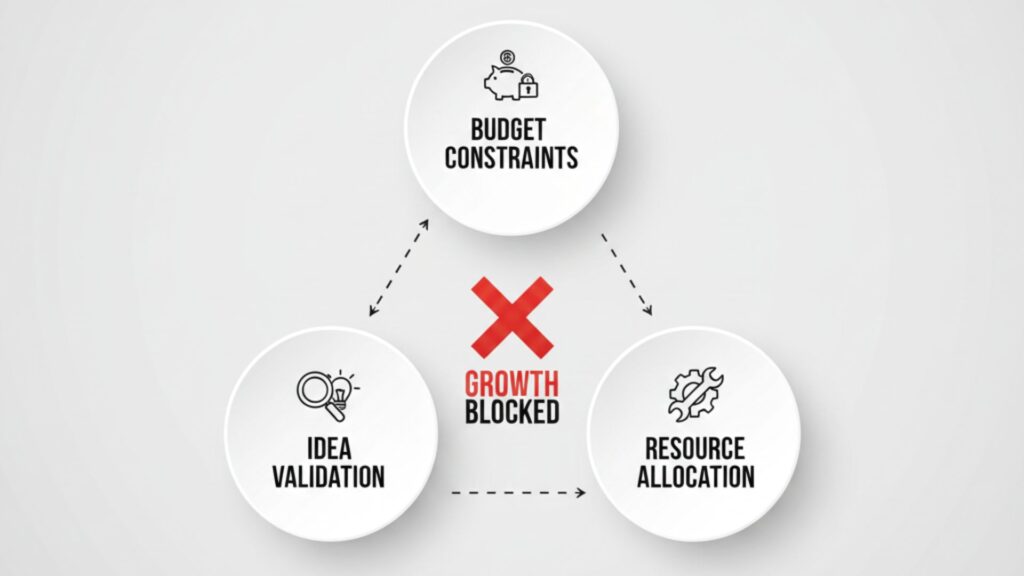
However, they faced three main hurdles:
- Building a market-ready MVP on a limited budget.
- Testing the product concept with real users before approaching investors.
- Launching quickly to collect actionable insights for investor pitches.
Without a technical team, the founders needed a partner who could combine speed, clarity, and technical expertise.
Our Approach
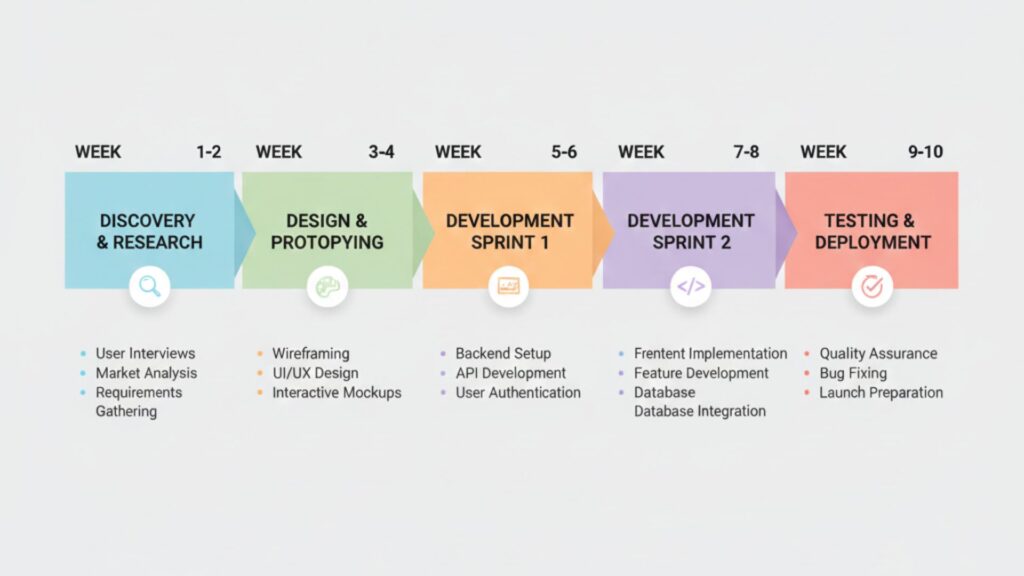
We started with a product discovery workshop to map the user journey, understand the business model, and analyze competitors. Based on this, we created a lean MVP roadmap that prioritized features with the highest impact for validation.
Using Agile methodology, we delivered the MVP in 10 weeks through short sprints:
- Weeks 1-2: Requirements gathering, UX wireframes, and UI design.
- Weeks 3-6: Development of core features and backend integration.
- Weeks 7-8: Testing, refinement, and user feedback incorporation.
- Weeks 9-10: Beta launch, monitoring, and performance optimization.
This approach allowed us to adapt quickly to feedback, pivot where needed, and maintain focus on features that mattered most.
Key Features Delivered in the MVP
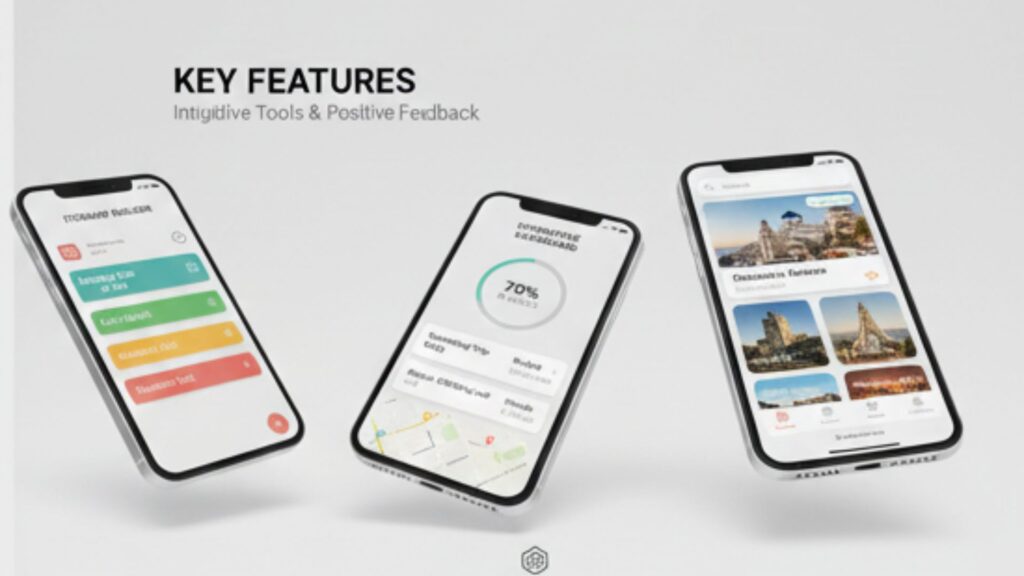
- Smart Itinerary Builder: Personalized trip planning powered by AI suggestions.
- Booking & Payment Integration: Secure and seamless transactions for flights, hotels, and experiences.
- Destination Discovery: Curated trips around the world with insider tips.
- User Profiles & Reviews: Verified feedback from the traveler community.
- Admin Dashboard: Real-time analytics to track user behavior and engagement.
“The dashboard gave us insights we could have never imagined,” said the founder. “We could see exactly what users liked and how they interacted with the platform.”
The Results
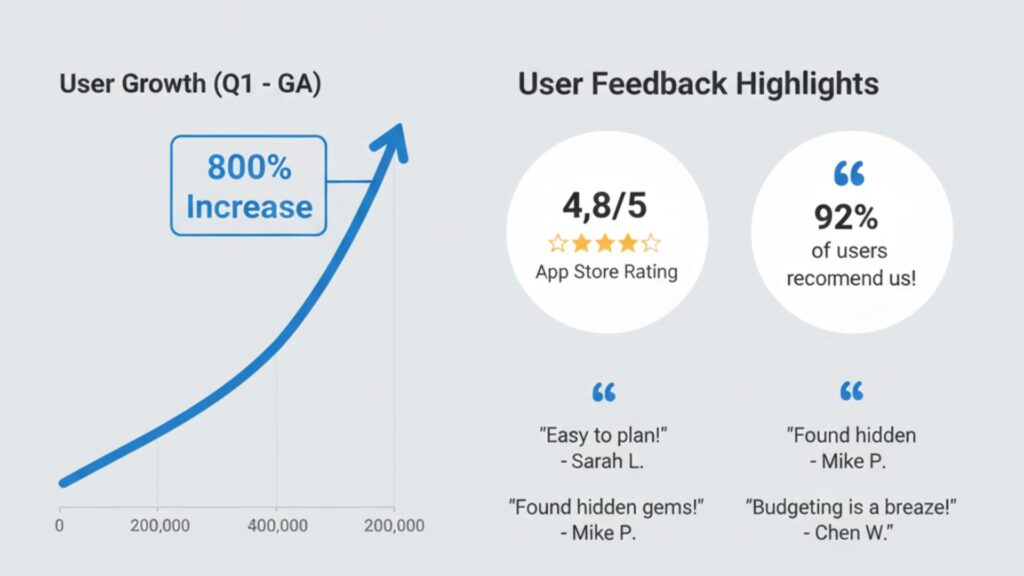
The MVP launched in 10 weeks and quickly demonstrated strong market potential:
- 5,000+ users registered within the first month.
- 85% positive feedback on personalization and ease of use.
- Interest from two angel investors within six weeks.
- Secured $250,000 in seed funding, giving the startup the resources to grow further.
“Seeing real users interact with the MVP was transformational,” the founder recalls. “It not only validated our idea but also helped us gain credibility with investors.”
Technologies Used
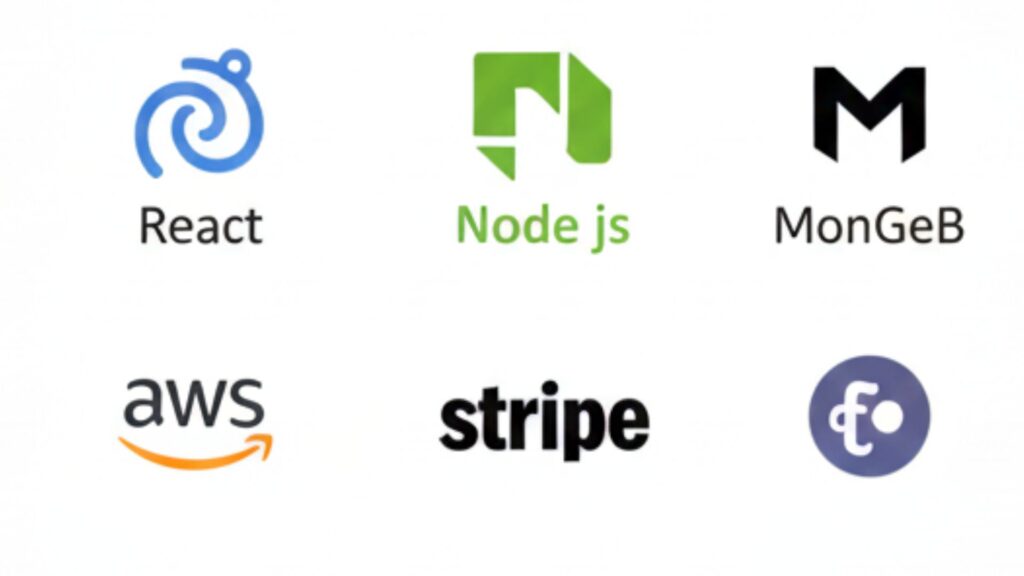
The MVP was built with a modern, scalable tech stack:
- Frontend: React.js
- Backend: Node.js, Express
- Database: MongoDB
- Hosting: AWS
- Payment Gateway: Stripe
- UI/UX Tools: Figma, Adobe XD
This combination ensured flexibility, scalability, and high performance from day one.
Business Impact
After funding, the startup was able to:
- Expand its user base across three countries.
- Add advanced personalization features based on real user behavior.
- Build an in-house marketing and support team.
Today, the platform continues to grow and establish itself as a rising player in the travel-tech space, all thanks to a focused MVP strategy and the right technical partnership.
Conclusion
A simple idea, supported by a clear MVP strategy, turned into a validated, investor-backed startup. By moving quickly, listening to users, and focusing on what matters most, the founders proved that even bold ideas can become reality.
Strawberry Infotech’s end-to-end MVP development services helped transform a vision into real users, investor confidence, and a scalable product—showing the power of combining speed, strategy, and user-centric design.